News

Dr. Sultana Nahar, a research professor in the Department of Astronomy, has received the prestigious William Fowler Award for Distinguished Research in Physics from the American…
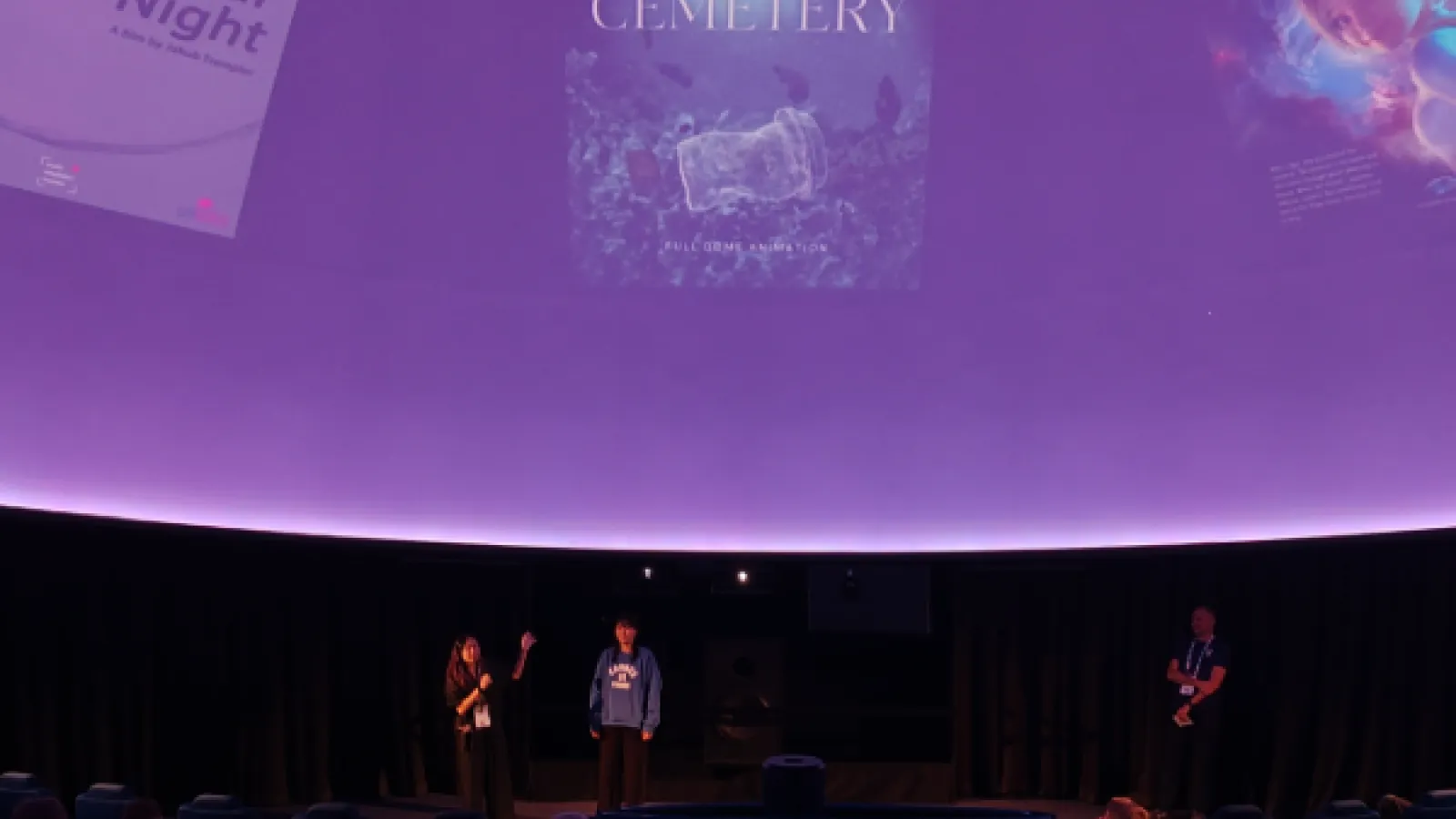
First-year MFA students Yeoleum Choi and Valeska Tan’s immersive full-dome film Ocean Cemetery was selected for screening at the 2025 Fulldome Festival Brno, held June 10–12, 2025 in the…

The Heising-Simons Foundation is accepting applications for their 2026 51 Pegasi b Postdoctoral Fellowship program in Planetary Astronomy. The fellowship provides an opportunity for…

It might be hard to see the stars from Columbus, but they'll be bright at the Arne Slettebak Planetarium at Ohio State University this summer. The university’s astronomy department has a new…

On May 21, 2025, many Ohio State faculty members had a reason to celebrate as the Board of Trustees approved promotion and tenure recommendations for the Buckeyes listed below. Each has excelled…

Professor John Beacom has helped co-author National Academies report on “Elementary Particle Physics: The Higgs and Beyond” which presents a bold 40-year vision for particle physics.
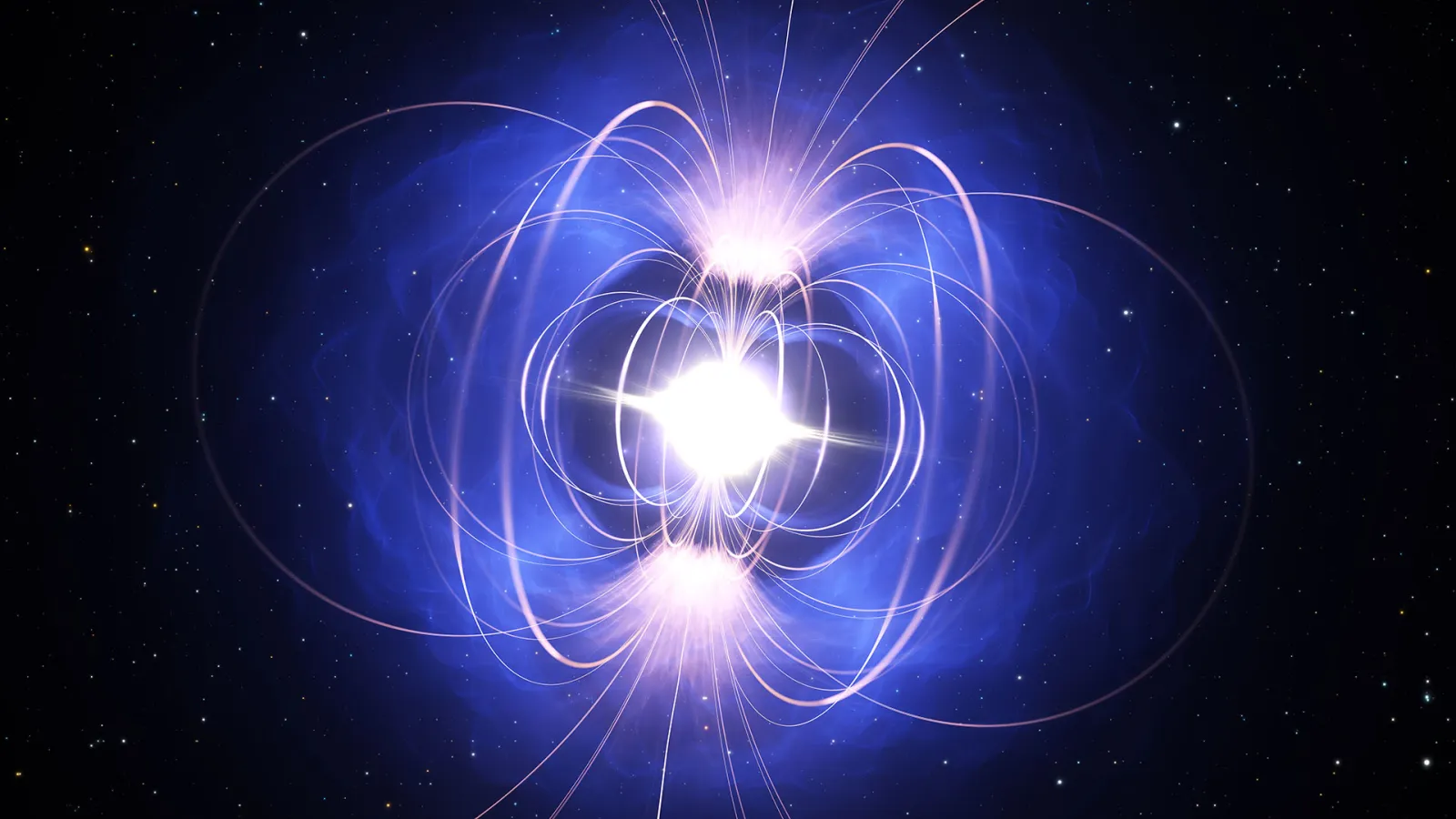
Magnetar flares, colossal cosmic explosions, may be directly responsible for the creation and distribution of heavy elements across the universe, suggests a new study.
For decades,…
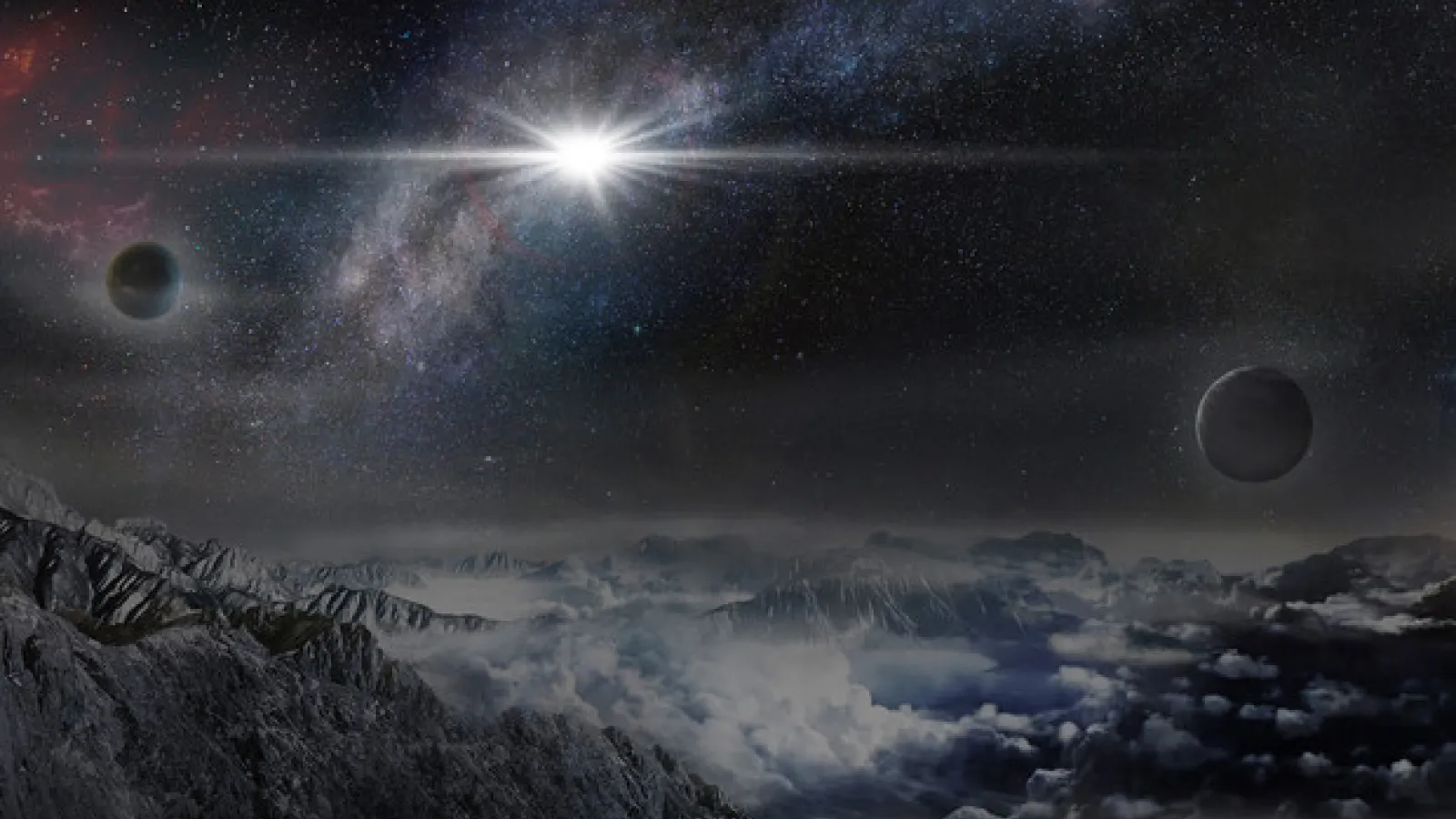
The Department of Astronomy within the College of Arts and Sciences at The Ohio State University seeks two Research Aides to work on the All-Sky Automated Survey for Supernovae (ASAS-SN). ASAS-SN…

Hosted by the Dept. of Astronomy and the Dept. of Physics Undergraduate Studies Teams:
Dr. Annika Peter
Vice-Chair for Physics Undergraduate Studies
Dr. Wayne…